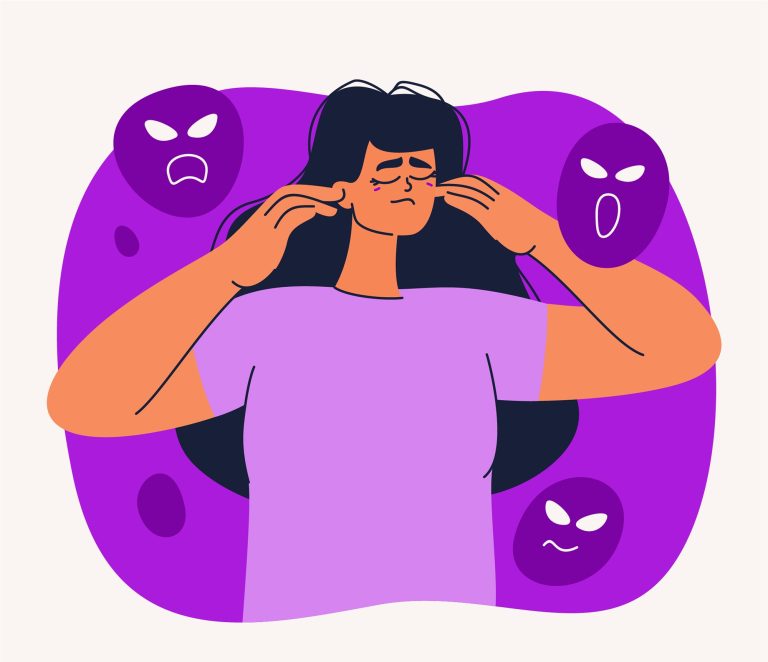


Why is it so often that the more we try to change the more stuck we feel? Many people come to therapy believing that they need to fix themselves, eliminate anxiety and force themselves into confidence. But one of the greatest psychological paradoxes is that true change begins with self-acceptance.
This idea is also known as Roger’s Paradox “The curious paradox is that when I accept myself just as I am, then I can change.” (Carl R. Rogers, On Becoming a Person: A Therapist’s View of Psychotherapy) aligns with the core principle in Cognitive Behavioral Therapy & schema therapy : the more we resist our thoughts and emotions, usually the stronger they become. If you have ever felt that you are fighting an endless battle against yourself, it might be time for a different approach.
CBT: changing the way we relate to our thoughts
Change does not come from forcing positivity or suppressing negative thoughts– it comes from acknowledging them without judgment and learning to engage with them differently and shift your perspective in a realistic way.
Schema Therapy: Healing deep rooted beliefs
Schema therapy dives deeper into the core beliefs that keep us trapped in self- doubt and self-criticism. These schemas often developed in childhood and influence the way we see ourselves and the word. The key is recognizing, understanding, and gradually healing these patterns through self-compassion.
Why self-acceptance leads to real change?
You need to understand yourself better and here are some examples of how this leads to change:
- Less self-criticism: you learn to challenge your inner critic instead of being controlled by it
- More emotional balance: you stop reacting out of fear and start responding with clarity
- Stronger self-worth: you stop chasing external validation and start trusting yourself
The Paradox? When you stop forcing change, change happens more easily
Therapy can help you navigate this journey:
- Identify and reshape unhelpful thought patterns and beliefs
- Develop healthier more grounded and self-compassionate perspectives
Create lasting change that isn’t about replacing negative patterns and thoughts with superficial positivity but rather engage with them in a more adaptive and balanced way.